Welcome to Mariposa Training!
Blind Spots in Healthcare-Associated C-diff Prevention: What's Still Tripping Us Up?
$ 24.00 USD
$ 24.00 USD
Author:
Length:
60 minutes
1
CEU
$ 24.00 USD
Courses
$ 24.00 USD
Despite sustained focus and decades of guidance, Clostridioides difficile remains the most commonhealthcare-associated infection and an ongoing challenge for hospitals. Many organizations haveachieved meaningful reductions, yet “breakthrough” transmission persists—often driven not by lackof effort, but by overlooked operational blind spots....
How To Use

Additional Information
Details
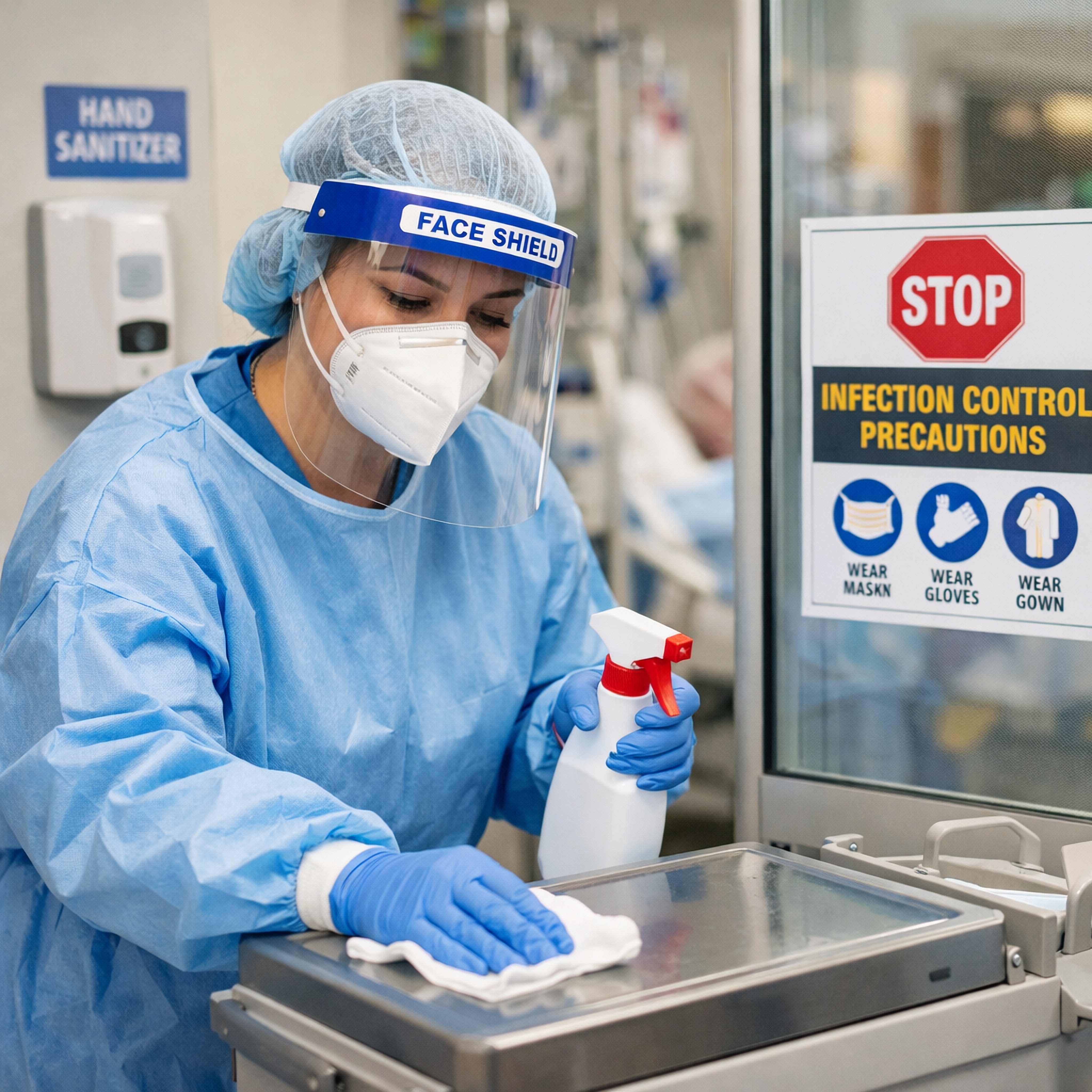
Despite sustained focus and decades of guidance, Clostridioides difficile remains the most commonhealthcare-associated infection and an ongoing challenge for hospitals. Many organizations haveachieved meaningful reductions, yet “breakthrough” transmission persists—often driven not by lackof effort, but by overlooked operational blind spots.This session examines where C. diff prevention programs may still be faltering and why doing moreof the same may no longer be enough. Drawing on evolving epidemiology, frontline workflowrealities, and real-world IPC–EVS intersections, this webinar will highlight prevention gaps that havesurfaced outside traditional playbooks. While environmental cleaning and disinfection will beexplored in depth, the discussion will also address complementary blind spots, including but notlimited to delayed identification and isolation, communication failures, diagnostic stewardship, andcare transitions.Participants will leave with practical, actionable strategies that emphasize universal controls, earlyinterventions, and reliable execution across care transitions - closing gaps that matter for reducinghospital-onset C. diff infections.Effective environmental cleaning and disinfection is essential for prevention of healthcare-associated infections. However, in a culture survey of 30 hospitals sponsored by APIC, we found that surfaces were often contaminated after cleaning and disinfection. To better understand why surfaces remain contaminated, we have conducted observational studies in collaboration with our EVS program to identify cleaning practices and products that may lead to ineffective cleaning and disinfection. Important findings include frequent malfunction of automated disinfectant dispensers, incorrect use of disinfectants, and suboptimal monitoring of cleaning practices and products. This presentation will review factors that were identified as contributors to ineffective cleaning and disinfection and discuss strategies for implementation of monitoring that involve collaboration between environmental services personnel and infection prevention.
Approvals
- NAB (NHA/RCFE)
- Florida Board of Nursing Home Administrators
- Florida Board of Clinical Social Work, Marriage and Family Therapy and Mental Health Counseling
- Alabama State Board of Occupational Therapy
- Michigan Board of Nursing
- Mississippi Board of Nursing
- Kentucky Board of Nursing
- Florida Board of Nursing
- New Mexico Board of Nursing
- West Virginia Board of Examiners for Registered Professional Nurses
- CE Broker - Florida Board of Certified Nursing Assistants
- California Board of Registered Nursing for 1 BRN CE Contact Hour
- District of Columbia Board of Nursing professionals
- Kansas State Board of Nursing
- Georgia Board of Nursing
- South Carolina Board of Nursing
- Arkansas State Board of Nursing
F Tags
No items found.


